Certified translations
A translation is only useful if the body receiving it accepts it. We translate personal and official documents and certify them in the form the receiving authority expects, whether that is the Home Office, a university, a court, or a registry abroad.
What a certified translation is
In the UK there is no state register of sworn translators. Certification here means the translation carries a signed statement of accuracy, the translator's details, and the date.
That statement is what turns a translation into a document an authority will act on. It confirms that the translation is a complete and accurate rendering of the original, and it identifies who is answerable for it.
This differs from countries where a court-appointed sworn translator stamps the document. If your document is going to a country that works that way, the certification has to be built to satisfy that system instead, sometimes with a notarial certificate and an apostille on top.
Because the requirements sit with the receiving body rather than with the translator, the first question is always the same: who is going to read this, and what do they require?
Documents we translate
Civil records
Birth, marriage, divorce and death certificates, and name-change records.
Identity and status
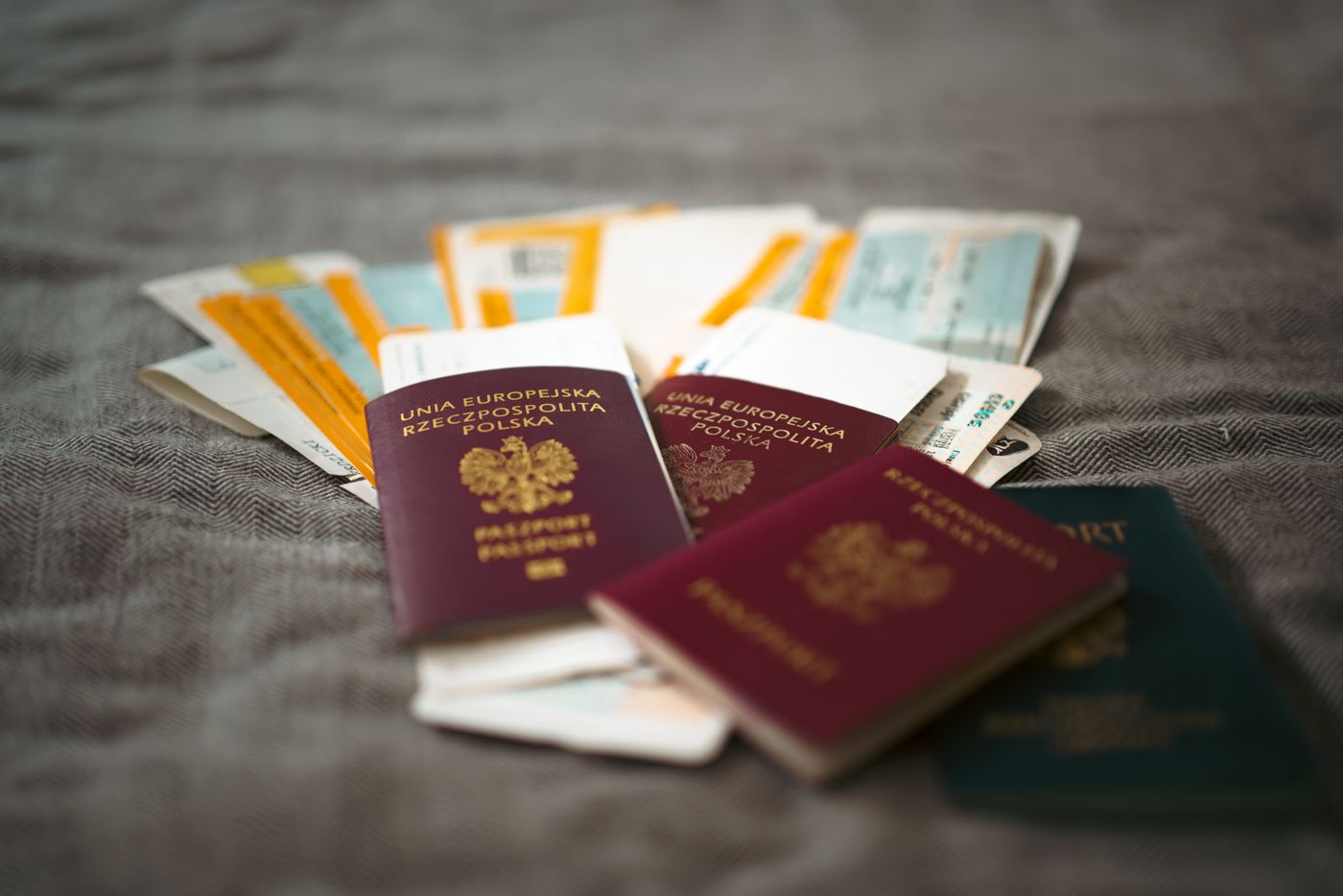
Passports, ID cards, residence documents and police clearance certificates.
Education
Diplomas, transcripts, school certificates and professional qualifications.
Legal documents
Powers of attorney, court decisions, contracts, wills and notarial acts.
Financial
Bank statements, employment and income confirmations, tax documents.
Medical
Medical reports, vaccination records and fitness certificates.
Certified, notarised, apostilled: the difference
These three words get used interchangeably and they are not the same thing. Asking for the wrong one is a common and expensive mistake.
A certified translation carries the translator's signed statement of accuracy. This is what most UK bodies ask for, and for many purposes it is enough on its own.
A notarised translation adds a notary public, who certifies the identity and signature of the translator. The notary is not vouching for the translation's quality; they are confirming who signed it.
An apostille is applied by the FCDO to a document that already carries a UK official or notarial signature. It certifies that signature so the document is recognised in other Hague Convention countries. An apostille is never applied to a plain translation on its own.
Which combination you need is set by the receiving authority, not by us. Tell us where the document is going and we will tell you which of the three it requires.
Why translations get refused
Partial translation
Stamps, seals, handwritten notes and reverse sides left out. A certified translation has to render everything on the page, including what is illegible, marked as such.
Inconsistent name spelling
A name transliterated one way in the translation and another in the passport. The two documents then describe different people.
Wrong certification level
A certified translation supplied where the authority required notarisation, or an apostille requested on a document that could not carry one.
Translating the wrong copy
Translating an original that itself needed legalising first. The apostille has to be in place before translation, or it will not appear in the translated set.
Frequently asked
Tell us what you need
Describe your situation in your own words. We will tell you which documents are required, how the process runs, and what it costs before anything starts.